Cooking is like love. It should be entered into with abandon or not at all. -Harriet Van Horne
...Grilling however should always be done with your shoes on. - Tony
Wednesday, April 30, 2008



Tuesday, April 29, 2008
MAY is NATIONAL BARBECUE MONTH
 Go to the Hearth, Patio and Barbeque Association website to get details on this exciting month of activities and other related links.
http://www.hpba.org/index.php?id=235
Grilling Facts and Figures 1
 Who barbecues?
Practically everyone! A 2007 study conducted by the Hearth, Patio & Barbecue Association (HPBA) shows that 77 percent of all U.S. households own a grill or smoker and 89 percent in households with four or more members. And, 95 percent of grill owners actually used their grill in the past year. More than 17.4 million new grills were shipped in 2007 alone.When do we barbecue?A majority of grill owners use their grills year-round; with 45 percent grilling at least 1-2 times per week during peak summer months. The most popular grilling occasions are Fourth of July, Memorial Day and Labor Day, but an increasing number of grillers report using their grills during the winter, too!
Where do we barbecue? Literally, everywhere across the country including backyards, vacation homes, campsites, public parks, and while tailgating at football games and NASCAR races. The increasing popularity of outdoor heaters and chimineas makes it comfortable and convenient to cook out in nearly any climate at any time.
Why do we barbecue?
According to HPBA's biennial survey of consumer grilling preferences, the top six reasons are:
1-Because it tastes so good.
2-Because it requires little cleanup.
3-Because it's an easy, informal, and secure way to entertain family and friends.
4-Because we love to be outdoors.
5-Because it's a great way to cook and eat a good piece of meat.
6-Because it keeps cooking odors outside.
1 - Source http://www.hpba.org/index.php?id=55
Sunday, April 27, 2008
Baby Back Ribs - Free to Roam Pork
 This is a Baby-Back Rib cook based on 4 half-slabs using a modified Kansas City style. Lower in fat, they cook faster and you lose NO flavor or quality.
Ingredients2 racks Baby-Back Ribs – Free to roam
Bad Byron’s Butt Rub
Honey
Brown Sugar
Barbeque Sauce
Olive Oil
100% Apple Juice
Preparation Directions
1. First Cook:
a. Cut slabs in half and remove membrane using a paper towel
b. Drizzle on some extra virgin olive oil and rub
c. Sprinkle on Bad Byron’s Butt Rub (to taste) and press into ribs
d. Set aside for cooking
2. Steeping:a. Tear off 4 pieces of foil large enough to wrap the half slabs and stack.
b. Sprinkle brown sugar equal to length of rib
c. Drizzle honey on the sugar and place rib on foil (concave)
d. Repeat on the top of the rib.
e. Form a basket with the first piece of foil
f. Drizzle about a half cup of Apple Juice onto the rib and cover in a second piece of foil (wrap it lightly like a package and set aside for next round of cooking
g. Repeat for each slab
h. See Barbeque (Final Cook) for final steps.
Cooking Directions
1. Fire up BGE and Pre-Heat to 275-300 degrees
2. Insert Plate setter, drip pan, grate and rib rack
3. Stabilize temperature while you prepare the ribs
4. First Cook - Add ribs to rib rack and close lid and Cook at 275-300 degrees for 2.5 hours; Remove from Rack and prepare for Steeping
5. Steeping Stage- Place steeping packets on the grate and close lid. Cook for 60 minutes (you CAN look to make sure apple juice has not all evaporated but BE CAREFUL!). Remove and unwrap ribs
Bad Byron’s Butt Rub
Honey
Brown Sugar
Barbeque Sauce
Olive Oil
100% Apple Juice
Preparation Directions
1. First Cook:
a. Cut slabs in half and remove membrane using a paper towel
b. Drizzle on some extra virgin olive oil and rub
c. Sprinkle on Bad Byron’s Butt Rub (to taste) and press into ribs
d. Set aside for cooking
2. Steeping:a. Tear off 4 pieces of foil large enough to wrap the half slabs and stack.
b. Sprinkle brown sugar equal to length of rib
c. Drizzle honey on the sugar and place rib on foil (concave)
d. Repeat on the top of the rib.
e. Form a basket with the first piece of foil
f. Drizzle about a half cup of Apple Juice onto the rib and cover in a second piece of foil (wrap it lightly like a package and set aside for next round of cooking
g. Repeat for each slab
h. See Barbeque (Final Cook) for final steps.
Cooking Directions
1. Fire up BGE and Pre-Heat to 275-300 degrees
2. Insert Plate setter, drip pan, grate and rib rack
3. Stabilize temperature while you prepare the ribs
4. First Cook - Add ribs to rib rack and close lid and Cook at 275-300 degrees for 2.5 hours; Remove from Rack and prepare for Steeping
5. Steeping Stage- Place steeping packets on the grate and close lid. Cook for 60 minutes (you CAN look to make sure apple juice has not all evaporated but BE CAREFUL!). Remove and unwrap ribs
6. Barbeque (Final Cook) - Place Ribs on Grate and smother with Barbeque sauce, Flip and repeat the cook 15 minutes and repeat steps a and b. Cook 15 minutes and remove from grill. Let rest, slice and serve.
Saturday, April 26, 2008
Grilling Grass-Fed Beef
Grass fed or pasture-raised meat is cooked differently than factory produced, grain fed industrial meat. For example, grass fed meat is leaner than grain fed so it doesn't have a lot of extra fat. This means you must take a little extra care when cooking grass fed meats.
Wondering what exactly grass-fed, pasture-raised meat is? 1
Truly sustainable livestock farming requires the use of a pasture-based system. Pasture-raised animals roam freely in their natural environment where they're able to eat nutritious grasses and other plants that their bodies are adapted to digest. In addition to dramatically improving the welfare of farm animals, pasturing also helps reduce environmental damage, and yields meat, eggs, and dairy products that are tastier and more nutritious than foods produced on factory farms.
The number one rule for cooking pastured meat is not to overcook it. It needs about 30 percent less cooking time than most common beef and is best if cooked medium-rare to medium. Otherwise, it might be too tough. Overcooking is the number one problem most people have when they switch to pastured meat, so don't give up if it takes you a couple tries before you master cooking pastured products.
If you're cooking hamburgers made with pasture raised beef, add caramelized onions or other moisturizing ingredients to compensate for the leaner meat. (Grass-fed hamburgers are generally 80 to 90% lean)
1- Parphrased text from The Sustainable Table
http://www.sustainabletable.org/features/articles/summergrilling/#hamburger
Friday, April 25, 2008
Grass or Grain on the BGE?
 If you purchase a BGE you are very likely going to eat a LOT more beef and chicken than you ever have in your life; so how do you do this without packing it on unnecessary? Well, first look for meat, eggs and dairy products that come from grass-fed animals because “grass-fed products are higher in important nutrients and lower in fat than grain-fed products.”1 Don’t forget that animals are seasonal (just like veggies!) and you may not be able to find grass-fed, pasture-raised animal products all year long… but when you do, you can stock up! Buy more and freeze until the next season comes around.
 Pasture-raised animals roam freely in their natural environment where they're able to eat nutritious grasses and other plants that their bodies are adapted to digest. Grazing on pasture is especially beneficial for cattle and other ruminants, whose bodies are developed to eat grass. The roughage provided by grasses and other plants allows ruminants to produce saliva, which helps neutralize acids that exist naturally in their digestive systems. When taken off pasture and put on a diet of grain, a ruminant will produce less saliva, causing an increase in acidity within its digestive tract. As a result, grain-fed cattle often suffer from a number of health problems including intestinal damage, dehydration, liver abscesses and even death. Despite the fact that grain diets can sicken cattle and other ruminants, factory farms feed these animals grain (usually corn or soybeans) because it's a cheap way to fatten animals and force them to grow to market weight as quickly as possible. On pasture, animals get all the nutrients they need from grass and forage (other plants), and some animals, like chickens, get additional vitamins and protein from eating insects.
Interestingly Humans benefit from all this as well. A growing body of research indicates that pasture-raised meat, eggs, and dairy products are better for consumers' health than conventionally-raised, grain-fed foods. In addition to being lower in calories and total fat, pasture-raised foods have higher levels of vitamins, and a healthier balance of omega-3 and omega-6 fats than conventional meat and dairy products. Studies have shown that milk from pasture-fed cows has as much as five times the CLA (a “good” type of fatty acid) as milk from grain-fed cows. iii And meat from pasture-fed cows has from 200 to 500 percent more CLA as a proportion of total fatty acids than meat from cows that eat a primarily grain-based diet.
Free-range chickens have 21% less total fat, 30% less saturated fat and 28% fewer calories than their factory-farmed counterparts. Eggs from poultry raised on pasture have 10% less fat, 40% more vitamin A and 400% more omega-3's. Keep in mind that the consistency, texture, color and flavors of food from pasture-raised animals differ from those of conventionally-produced foods. Pasture-raised chickens produce eggs with brighter, more orange-colored yolks than conventional eggs, and butter from pasture-raised cows tends to have a darker yellow color than the butter you get at the supermarket. Since pastured meats contain less fat, they must also be cooked more slowly than conventional meats.
FUN FACT: If you, like the average American, eat 67 pounds of beef per year, then switching from conventional beef to pastured beef would reduce your yearly calorie intake by 16,642 calories!
What’s a Ruminant you ask? Ruminants are hoofed animals with four-chambered stomachs which enable them to digest cellulose. After eating, ruminants regurgitate a semi-digested material called cud, which they chew, then eat. Cows, goats, sheep, bison, deer, camels, llamas, and giraffes are all ruminants. All ruminants are vegetarians by nature.
1-Source and text from The Sustainable Table http://www.sustainabletable.org/issues/pasture/
Thursday, April 24, 2008
The Origin of the Charcoal Briquette
"Though many claim that Thomas Edison and Henry Ford were the original inventors of the charcoal briquette, a closer look into the United States patent library reveals the original inventor wa s Ellsworth B.A. Zwoyer. At the time he designed and patented the original briquette (1897), he was living in Reading, PA, and later moved to Perth Amboy, NJ.
 s Ellsworth B.A. Zwoyer. At the time he designed and patented the original briquette (1897), he was living in Reading, PA, and later moved to Perth Amboy, NJ.
 After World War I, Zwoyer and his son Paul started the Zwoyer Fuel Company, which built charcoal briquette manufacturing plants in Buffalo, NY, and Fall River, MA. In 1927 he acquired two more briquette patents for a “Briquetting Method” and a “Method of Carbonizing Fuel Briquettes.” The Great Depression took its toll on Zwoyer's company and he moved his family to Illinois.
It remains a mystery how Edison and Ford came up with the idea to make their charcoal briquettes. Zwoyer was reportedly an acquaintance, if not a friend, of Edison and Ford, and we know that Edison and Ford used left-over sawdust and glue from Ford's automobile assembly lines to make the briquettes." 1
1 - Information gathered from an article published on THE SUSTAINABLE TABLE Website http://www.sustainabletable.org/features/articles/summergrilling/charcoal.html
- by Chris Hunt with contributions from Jill Peterson and Diane Hatz
Monday, April 21, 2008
Big Green Garbage Pizza
 Got home before dark and starving! Looked for some beef and mother-hubbards Cupboard was bare (the refrig was empty)...except for a partial can of olives, a half onion, three partial bags of cheese, a 1/3 of a jar of nacho sauce, a can of refried beans and a pizza crust that expired TODAY. So, Garbage Pizza it was...and frankly, it was pretty good...would have been better with some sausage or ground beef...but hey, I was cookin' on the BGE and no one was around (Wifey) to bug me about how much cheese I ate for supper (LOL).
 I gotta go...I hear the recycling truck coming down the road!
Saturday, April 19, 2008
BGE Withdrawal
It's been six days since my last cookout on the BGE...talk about withdrawal. Sunday I return with some filets but until that time I'll just have to use my deep breathing exercises I guess. A couple of rounds of golf got in the way this weekend but if anything is going to get in the way of a BGE experience I guess Golf is the best excuse of all!

Dinner by the way on Sunday was devine...
...and so was our nap afterwards!

Dinner by the way on Sunday was devine...
...and so was our nap afterwards!

Wednesday, April 16, 2008
Big Green Egg Links
If you would like to trade links and have a site that is heavily BGE oriented (and contains no adult materials)...comment and leave your link and I'll put you on my list. If you return the favor, even better. Keep Eggin'
Saturday, April 12, 2008
Big Green Egg MEATLOAF II
 No one should ever be completely satisfied with any original recipe. Always look for new spice combinations and other improvements. In Meatloaf Version II the recipe changes up the combination of meats, turned up the temp just a touch, added a few crackers and introduced Bad Byron’s Butt Rub to replace the Chipolte spice in the original recipe all combining for an interesting change up.
 Ingredients and Recommended Brands (where available)
2 LB Ground Chuck

10 oz.Medium Spicy Italian Sausage, Coarse Ground
1 ½ cup Diced White Onion
4-5 Garlic Cloves
½ cup Diced Red Pepper
2 Tbs Olive Oil
3 Tbs Light Sour Cream
¼ cup Worcestershire sauce

¼ cup Dijon mustard
1 cup Shredded Mild Colby & Monterey Jack
3 Large Egg Yolks
½ cup Minced Parsley
1 tsp Bad Byron’s Butt Rub
½ tsp Ground Cumin
Big Pinch - Fresh Ground Salt
Big Pinch - BGE Garlic Pepper
10 Town House Crackers (crushed up)
Preparation DirectionsSauté onion and garlic in olive oil until lightly browned;
Add Red Pepper and sauté until soft.
Season with Salt and Pepper
Cool
Mixed Cooked Vegetables with other ingredients.
Pack into 9” x 5” x 3” loaf pan lined with foil
Chill for 4 hours minimum
Cooking Directions
Preheat BGE to 300-330 degrees and stabilize heat with plate rack in place.
Turn Loaf out onto foil and place in shallow pan or wire v-rack
Put meatloaf on the BGE (indirect-use plate rack and drip pan)
Cook until the loaf’s internal temperature is 155-1600 (approximately 1-1 ½ hours)
Remove from BGE and let cool 15 minutes before slicing
Recommended Side Dishes and DesertsGarlic Mashed Potatoes, Corn on the Cob and Green Onions and of course - Roasted Marshmallows for Desert over hot coals. And never forget to have a few pickled whole jalapenos on the side with every meal!
Monday, April 7, 2008
Beer Bum Chicken
 (and Red Potatoes)
This recipe isn’t any different that most beer butt recipes it’s just the one I tried and it turned out delicious, So I guess it worked!…If you don’t already have someone else’s recipe, try this!
Ingredients and Recommened Brands if Available
1 Whole Roasting Chicken - Approx. 4 lbs.
8 Medium Red Skin Potatoes
4 Garlic Cloves (sliced thin)
1/3 stick Butter (NOT Margarine)
Salt and Garlic Pepper (for potatoes)
1 oz. Mrs. Dash Grilling Blends-Chicken or YOUR FAVORITE RUB
½ can Beer, About what is left in those six empty cans total.
Preparation and Cooking Directions

-Preheat BGE to 300 degrees
-Soften butter in microwave and spread over entire surface of chicken
-Apply spice (Rub) inside and out
-Using your favorite beer can chicken cooking device set it up and add the ½ can of beer
-Place Chicken on the holder, add potatoes (seasoned
 to taste with Salt and Pepper, Rub, Garlic, etc.)
-Place on Grill and insert meat thermometer into thickest part of the thigh
-Let cook until the temperature reaches 180 degrees (somewhere around 2 hours)
-Remove and let rest (watch that can and rack, it will be HOT!), slice and serve.
Sunday, April 6, 2008
NACHO MAMA's PIZZA

This recipe is CERTAINLY NOT YOUR Mama’s PIZZA recipe…Using pantry goods this pizza is quick and tasty; Nacho' Mama's, get it? Sorry :)
Ingredients and Recommended Brands (if available)
16 oz Can - Refried Beans - Taco Bell
12 “ Pre-cooked Thin Crust Pizza dough - Boboli
2.25 oz Sliced Black Olives (1 can) - Lindsay
2 cups Shredded Mexican Colby Jack - Kraft
1 cup - Diced Roma Tomatoes
1 cup - Diced Onion - Vidalia if available, or Green Onions as an option.
1 cup - Shredded lettuce
1 cup - Sour Cream Light
½ cup - Sliced Jalapenos (pickled) - Trappy’s
Bad Byron’s Butt-Rub (Optiona l Taco Seasoning)
1 Lb. - Lean Ground Beef (85-20)
Salt and Pepper
8 oz Chunky Salsa – Medium - Newman’s Own Salsa (comes in 16oz jar)
PreparationSlice and dice all vegetables and set aside
Place Pizza dough on BGE pizza stone
Spread Refried Beans evenly on Dough
Sprinkle cooked Ground Beef evenly on Pizza
Distribute shredded cheese evenly
Take to the Grill for Cooking!
Ingredients and Recommended Brands (if available)
16 oz Can - Refried Beans - Taco Bell
12 “ Pre-cooked Thin Crust Pizza dough - Boboli
2.25 oz Sliced Black Olives (1 can) - Lindsay
2 cups Shredded Mexican Colby Jack - Kraft
1 cup - Diced Roma Tomatoes
1 cup - Diced Onion - Vidalia if available, or Green Onions as an option.
1 cup - Shredded lettuce
1 cup - Sour Cream Light
½ cup - Sliced Jalapenos (pickled) - Trappy’s
Bad Byron’s Butt-Rub (Optiona
 l Taco Seasoning)
1 Lb. - Lean Ground Beef (85-20)
Salt and Pepper
8 oz Chunky Salsa – Medium - Newman’s Own Salsa (comes in 16oz jar)
PreparationSlice and dice all vegetables and set aside
Place Pizza dough on BGE pizza stone
Spread Refried Beans evenly on Dough
Sprinkle cooked Ground Beef evenly on Pizza
Distribute shredded cheese evenly
Take to the Grill for Cooking!
Cooking Directions
1. Light up the BGE and let it roar
2. Insert Grill (not the plate holder)
3. Put dab of cooking oil into Frying Pan and add Ground Beef, salt and pepper to taste

4. Sprinkle a GENEROUS amount of Bad Byron’s Butt Rub on the ground beef and Brown until it is 98% done
5. Remove from heat and return the beef to the preparation table now)
6. Regulate Temperature in BGE to 450 degrees
7. Place Pizza (on BGE Pizza Stone) directly on Grill
8. Close lid, regulate temperature to 450 degrees and go away for 15 minutes.
9. Return, open lid, slice and serve with topping/condiments prepared from above (tomatoes, onions, lettuce, jalapenos, sour cream, black olives).
Saturday, April 5, 2008
Big Green Egg Damper Top Solution
 Anyone that has used the Big Green Egg for long knows that unless you align that bolt on the top JUST RIGHT…when you open the lid you lose your setting (on the Damper Top) when you close the lid again…
The retailers will tell you that after hours of cooking it will gum up and stay in place (yuck), so not seeing that as an option I put on the old thinking cap and went to the local Big Box Hardware Section.

I purchased (what we call in the Midwest) a "Screen Door Spring" and a package of small “S” hooks (you need 2). Cut the spring off by about 2 inches. Latched the “S” hooks under the lid and attached the spring. I’ve played and played with different combinations and…It WORKS!
BTW, does anyone remember when you used to be able to go to the local hardware store and just by "2" S hooks (and not a package of some odd number of hooks you'll never use again), and they put them in a small manila bag, wrote the price on the bag and you paid with cash at the register? Oh my I am telling my age now!
Thursday, April 3, 2008
Lump Charcoal Revisited
Okay, so I don't know everything about lump charcoal, but I'm learning, here is what my research tells me so far...I hope you enjoy.

Char-coal [2](chär'kōl') n. A black, porous, carbonaceous material, 85 to 98 percent carbon, produced by the destructive distillation of wood and used as a fuel, filter, and absorbent.

Char-coal [2](chär'kōl') n. A black, porous, carbonaceous material, 85 to 98 percent carbon, produced by the destructive distillation of wood and used as a fuel, filter, and absorbent.
Natural Lump Charcoal [1] comes from partially burning wood created by heating wood without oxygen turning it into nearly 100% carbon. During the process all volatile compounds in the wood (water, hydrogen, methane and tars) pass off as vapors into the air, some of the carbon is consumed as fuel, and the rest of the carbon is converted into charcoal.
Since Charcoal is 100% pure wood carbon, it weights much less than its original state. It is also free of tars (which can contain carcinogenic compounds, like benzo-a-pyrene). And unless it has been exposed to moisture and variable temperature, natural lump charcoal will last literally forever.
The low ash production of lump charcoal is very important. Ceramic grills and Smokers have a fire bowl holding the charcoal. As the charcoal burns, the ash falls down into the bottom of the bowl. There isn't room for a whole lot of ash. Lump charcoal tends to burns hotter and faster than briquettes. Lump charcoal will also burn at whatever rate and temperature that you allow it to. Briquettes tend to burn slower as they were designed to be used in an uncontrolled environment.
There are 2 types of charcoals: the first type comes from natural wood which has been cut and made into charcoal. This is as natural as you can get. The wood comes from trees, branches and scrap pieces from saw mills. The second type comes from using processed scrap wood and tuning it into charcoal. Processed scrap wood tend to burn faster since its density is lesser than natural. This is mainly because there is less moisture into the wood at the time it is transformed into charcoals. This wood comes from wood flooring scraps, building material scrap and furniture scraps and others.[1,3]
How was it made originally? Wood charcoal productions origin is very remote however the method of producing it consisted generally of piling billets of wood on their ends creating a conical shaped pile with openings at the bottom to admit air and a shaft in the middle to act as a flue. The whole pile is covered with turf or moistened clay or even additional lumber. A fire is lit at the bottom of the flue and gradually spreads outwards and upwards. The success of the operation depends upon the rate of the combustion. Under average conditions, 100 parts of wood yield about 60 parts by volume, or 25 parts by weight, of charcoal; small scale production on the spot often yields only about 50%, large scale was efficient to about 90% even by the 17th century. The operation is so delicate that it was generally left to professional charcoal burners. These often worked in solitary groups in the woods and had a rather bad social reputation, especially traveling ones who often sold a sack (priced at about a day's wage) with lots of rubbish mixed in to farmers and townsfolk. [4]
How is it made today? In the modern method, wood is raised to a high temperature in an iron retort, and industrially important byproducts, e.g., methanol (wood alcohol or wood spirit), acetone , pyroligneous acid , and acetic acid , are saved by condensing them to their liquid form. Air is not really needed in the carbonization process, and advanced methods of charcoal production do not allow air to enter the kiln. This results in a higher yield, since no wood is burned with the air, and quality is improved. Charcoal is also obtained from substances other than wood such as nut shells and bark; that obtained from bones is called bone black, animal black, or animal charcoal.
There are 2 types of charcoals: the first type comes from natural wood which has been cut and made into charcoal. This is as natural as you can get. The wood comes from trees, branches and scrap pieces from saw mills. The second type comes from using processed scrap wood and tuning it into charcoal. Processed scrap wood tend to burn faster since its density is lesser than natural. This is mainly because there is less moisture into the wood at the time it is transformed into charcoals. This wood comes from wood flooring scraps, building material scrap and furniture scraps and others.[1,3]
How was it made originally? Wood charcoal productions origin is very remote however the method of producing it
 consisted generally of piling billets of wood on their ends creating a conical shaped pile with openings at the bottom to admit air and a shaft in the middle to act as a flue. The whole pile is covered with turf or moistened clay or even additional lumber. A fire is lit at the bottom of the flue and gradually spreads outwards and upwards. The success of the operation depends upon the rate of the combustion. Under average conditions, 100 parts of wood yield about 60 parts by volume, or 25 parts by weight, of charcoal; small scale production on the spot often yields only about 50%, large scale was efficient to about 90% even by the 17th century. The operation is so delicate that it was generally left to professional charcoal burners. These often worked in solitary groups in the woods and had a rather bad social reputation, especially traveling ones who often sold a sack (priced at about a day's wage) with lots of rubbish mixed in to farmers and townsfolk. [4]
How is it made today? In the modern method, wood is raised to a high temperature in an iron retort, and industrially important byproducts, e.g., methanol (wood alcohol or wood spirit), acetone , pyroligneous acid , and acetic acid , are saved by condensing them to their liquid form. Air is not really needed in the carbonization process, and advanced methods of charcoal production do not allow air to enter the kiln. This results in a higher yield, since no wood is burned with the air, and quality is improved. Charcoal is also obtained from substances other than wood such as nut shells and bark; that obtained from bones is called bone black, animal black, or animal charcoal.
Charcoal yields a larger amount of heat in proportion to its volume than is obtained from a corresponding quantity of wood and has the further advantage of being smokeless. The greatest amount is used as a fuel. Charcoal is often used in blacksmithing, for cooking, and for other industrial applications. One of the most important applications of wood charcoal is as a component of gunpowder . It is also used as a reducing agent in metallurgical operations, but this application was diminished by the introduction of coke . A limited quantity is made up into the form of drawing crayon. Bamboo charcoal is the principal ingredient in sumi-e, a form of Japanese ink painting that uses only black ink in various concentrations.
Because of its porous structure, finely divided charcoal is a highly efficient agent for filtering the adsorption of gases and of solids from solution. It is used in sugar refining, in water purification, in the purification of factory air, and in gas masks. Wood charcoal can remove coloring agents from solutions, but this is accomplished more efficiently by animal charcoal. By special heating or chemical processes the adsorptive property can be greatly increased; charcoal so treated is known as activated charcoal.
Information in this blog post has been paraphrased from text but not limited to the references herein:
[1] http://www.primogrill.com/charcoal.html[2] “charcoal.” The American Heritage® Dictionary of the English Language, Fourth Edition, Houghton MIfflin Company, 2004, 03 Apr.2008 and taken from Dictionary.com[3] Author not available, CHARCOAL., The Columbia Encyclopedia, Sixth Edition 2007[4] http://en.wikipedia.org/wiki/Charcoal#History
Baked Breaded Tilapia
This recipe will take less time to cook than it does to heat up the Big Green Egg, but it will be worth the effort (as is EVERY BGE experience). Works with ANY white fish probably, we just eat Tilapia in our home.
Ingredients Recommended
4-6 Tilapia Filets Depends on how hungry you are!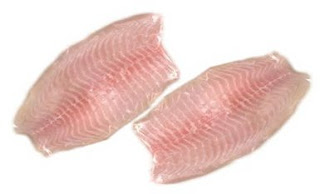
½ Cup Breadcrumbs
¼ tsp Garlic Pepper Big Green Egg Brand
½ tsp Sea Salt Fresh Ground
1 Tbs Lemon Juice Fresh Squeezed Lemon
¼ cup Light Mayonnaise
¼ cup Shredded Parmesan Cheese Kraft
1/8 cup Parsley Fresh chopped or flakes if you must!
Wax Paper
Shallow Pan (round or square) Sized to fit the BGE
Optional - Byron's Butt Rub replaces all the above including the breadcrumbs
Preparation DirectionsUse FRESH tilapia from the butcher shop
Using a non-stick vegetable spray (cooking spray) lightly spray a shallow pan (round or square)
Mix all ingredients together in a small mixing bowl
Rub the ingredients on one side of tilapia filets
Combine bread crumbs and parsley and spread on Wax Paper
Press Tilapia in crumbs and place in cooking pan, crumb side up
.
Cooking Directions
Preheat and stabilize the Big Green Egg to 450 degrees.
Place tilapia in the pan with crumb side up.
Place on BGE and cook approximately 10-15 minutes or until bread crumbs brown (time depends on thickness of tilapia filets)
Recommended Side Dishes and DesertsLemon Juice to top Tilapia
Four-Cheese Rice
Fries or Potato Wedges
Ingredients Recommended
4-6 Tilapia Filets Depends on how hungry you are!

½ Cup Breadcrumbs
¼ tsp Garlic Pepper Big Green Egg Brand
½ tsp Sea Salt Fresh Ground
1 Tbs Lemon Juice Fresh Squeezed Lemon
¼ cup Light Mayonnaise
¼ cup Shredded Parmesan Cheese Kraft
1/8 cup Parsley Fresh chopped or flakes if you must!
Wax Paper
Shallow Pan (round or square) Sized to fit the BGE
Optional - Byron's Butt Rub replaces all the above including the breadcrumbs
Preparation DirectionsUse FRESH tilapia from the butcher shop
Using a non-stick vegetable spray (cooking spray) lightly spray a shallow pan (round or square)
Mix all ingredients together in a small mixing bowl
Rub the ingredients on one side of tilapia filets
Combine bread crumbs and parsley and spread on Wax Paper
Press Tilapia in crumbs and place in cooking pan, crumb side up
.
Cooking Directions
Preheat and stabilize the Big Green Egg to 450 degrees.
Place tilapia in the pan with crumb side up.
Place on BGE and cook approximately 10-15 minutes or until bread crumbs brown (time depends on thickness of tilapia filets)
Recommended Side Dishes and DesertsLemon Juice to top Tilapia
Four-Cheese Rice
Fries or Potato Wedges
Wednesday, April 2, 2008
Chicken ROMA Pizza
Pizza on the Big Green Egg is as close to brick oven pizza as you can get without the brick oven. This recipe is a slight variation on the Chicken Bobo, uses less cheese, substitutes green onions for chopped white onions and adds Roma Tomatoes. It still utilizes store bought ingredients and doesn’t require you to prepare pizza sauce and with NO LOSS OF FLAVOR OR ENJOYMENT.
Ingredients Recommended2 Chicken Breasts – Boneless, Skinless
1 12 “ Boboli Pizza Crust Regular not Thin
1 Pkg. Boboli Pizza Sauce (1/2 cup)
¾ Cup Mozzarella Cheese – Shredded
2 Cups Colby-Jack Cheese – Shredded
Shaker Shredded Parmesan Cheese Kraft
Bunch Green Onions (5 medium)
¾ Large Green Pepper
½ cup Sliced Olives with Pimentos
Olive Oil
4 cloves Garlic
Preparation and Cooking Directions
1) Remove Grill and Preheat and stabilize Big Green Egg to 400 degrees.
2) Insert Diverter rack and stabilize temperature.
3) Slice VERY thin all vegetables and set aside (use a ceramic slicer to get them paper thin), you’ll have to slice the Roma tomatoes with a knife to get them really thin without smashing them
4) Slice Chicken breasts into quarters and brown in Olive Oil and garlic until 98% done (juices will be running)
5) Remove from heat and dice, set aside.
6) Place Boboli Crust on a BGE Pizza Stone
7) Rub Olive Oil on crust then spread Boboli Pizza Sauce evenly
8) Add 3/4 cup of Mozzarella Cheese, Chicken and 1 cup of the Colby Jack Cheese
9) Layer on the remaining vegetables and cover with remaining Colby Jack Cheese
10) Sprinkle Parmesan Cheese (to taste but fairly heavy).
11) Top with the sliced Olives and Pimentos
12) Place in Big Green Egg, Close Cover and cook for 25 minutes and DO NOT PEEK!
13) Open BGE, slice with pizza cutter right on the Pizza Stone and serve directly to plates.
Ingredients Recommended2 Chicken Breasts – Boneless, Skinless
1 12 “ Boboli Pizza Crust Regular not Thin
1 Pkg. Boboli Pizza Sauce (1/2 cup)
¾ Cup Mozzarella Cheese – Shredded
2 Cups Colby-Jack Cheese – Shredded
Shaker Shredded Parmesan Cheese Kraft
Bunch Green Onions (5 medium)
¾ Large Green Pepper
½ cup Sliced Olives with Pimentos
Olive Oil
4 cloves Garlic
Preparation and Cooking Directions
1) Remove Grill and Preheat and stabilize Big Green Egg to 400 degrees.
2) Insert Diverter rack and stabilize temperature.
3) Slice VERY thin all vegetables and set aside (use a ceramic slicer to get them paper thin), you’ll have to slice the Roma tomatoes with a knife to get them really thin without smashing them
4) Slice Chicken breasts into quarters and brown in Olive Oil and garlic until 98% done (juices will be running)
5) Remove from heat and dice, set aside.
6) Place Boboli Crust on a BGE Pizza Stone
7) Rub Olive Oil on crust then spread Boboli Pizza Sauce evenly
8) Add 3/4 cup of Mozzarella Cheese, Chicken and 1 cup of the Colby Jack Cheese
9) Layer on the remaining vegetables and cover with remaining Colby Jack Cheese
10) Sprinkle Parmesan Cheese (to taste but fairly heavy).
11) Top with the sliced Olives and Pimentos
12) Place in Big Green Egg, Close Cover and cook for 25 minutes and DO NOT PEEK!
13) Open BGE, slice with pizza cutter right on the Pizza Stone and serve directly to plates.
Subscribe to:
Posts (Atom)